Estonia -

Among forests, candles and birds
There is a moment, somewhere on the edge of the Baltic dawn, when Estonia ceases to feel merely like a country and begins to feel like a state of mind.
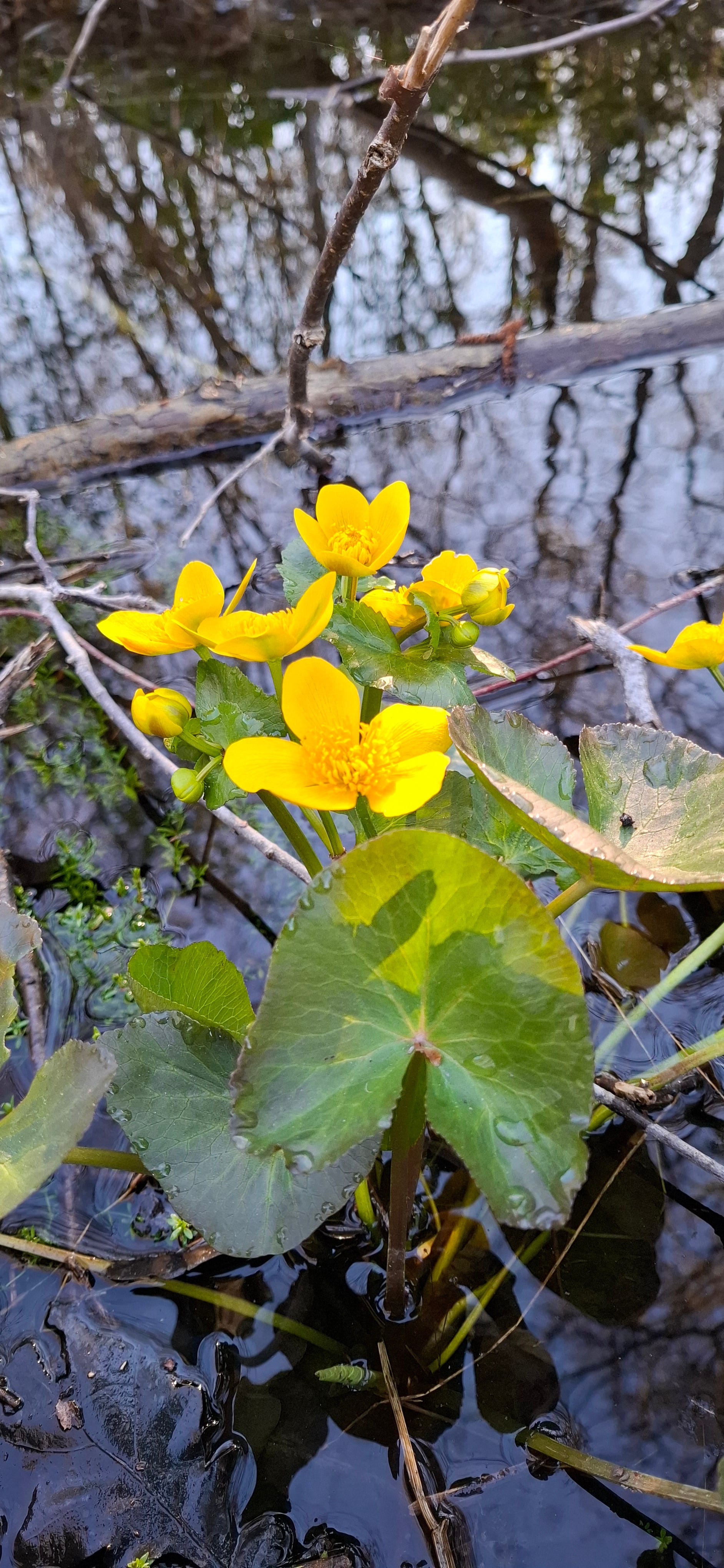
It happened to me this year somewhere between a forest track and a flooded ditch bright with marsh marigolds. We were out early, searching for Three-toed Woodpeckers in the northern light. Wood Anemones trembled on the ditch banks beneath the mature spruce forest, classic flora of the Northern Spring. Plenty of dead wood and standing dead trees along with substantial Sphagnum moss indicated we were in the semi-wet forest favoured by our quarry. The forests of Estonia do not merely stand around you; they absorb you. They invite silence. They alter the pace of thought.
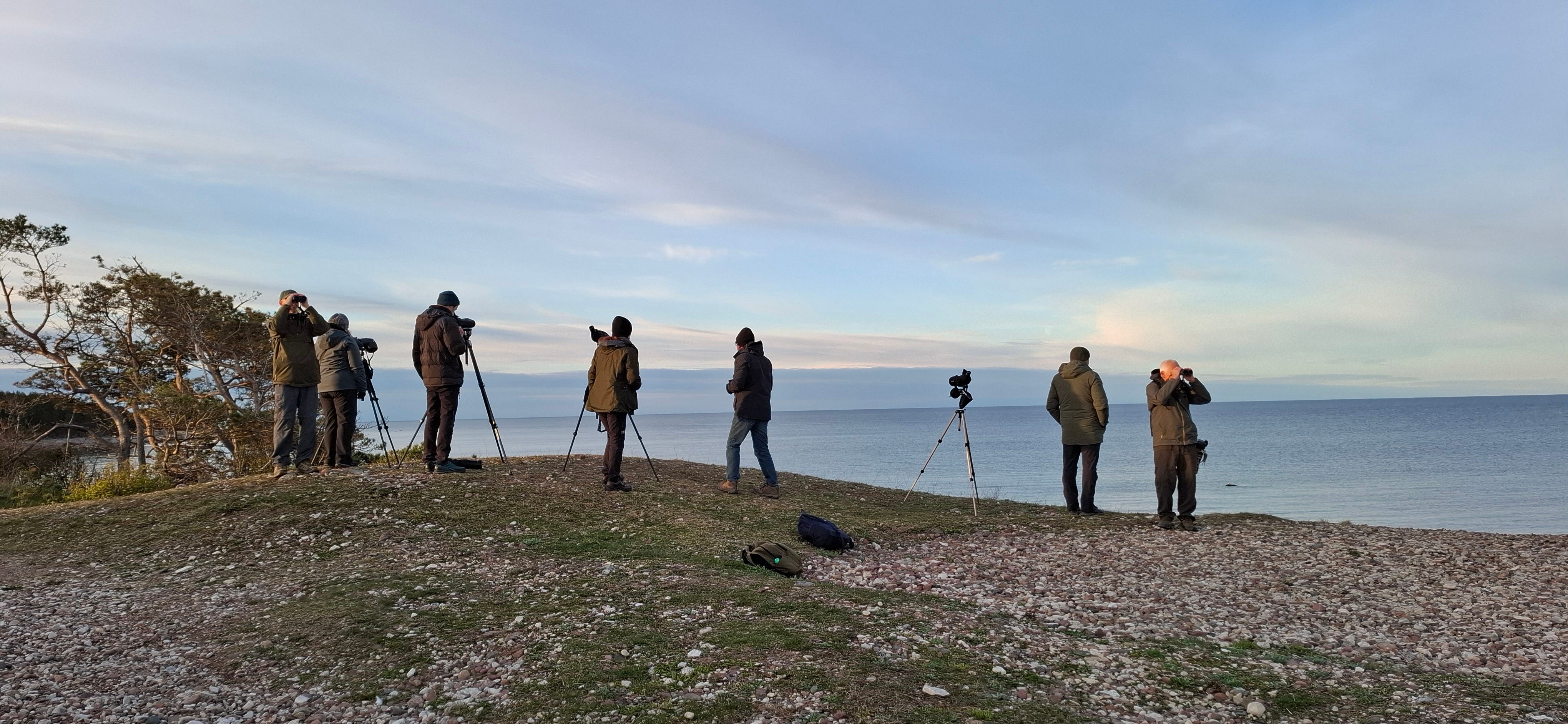
I had gone on my annual birdwatching trip with two old friends, Estonia being our destination of choice for 2026. We watched the great migration of sea ducks at dawn from the coast of Hiiumaa Island: Common Scoter, Long-tailed Duck, Eider. Lines of birds moved north over iron-grey water while three Ospreys drifted overhead, one pausing briefly to attempt a strike for fish. There is excitement in these spectacles, certainly, but I increasingly realise that for me birds are only one thread in a much larger tapestry.
Retirement has given me permission to inhabit more fully something that was always there and the time to sharpen it further. Throughout my life I have felt moments of wonder before beauty — certain qualities of light, birdsong at dusk, the smell of rain on dry earth, music that suddenly opens some hidden chamber of feeling. But working life encourages compartmentalisation and efficiency. One learns to hurry past enchantment.
Now, in my retirement, I feel able to linger inside it. The result is almost overwhelming at times. Beauty arrives not as decoration but as revelation. A stand of birch trees shimmering in evening light. Candles glowing among gravestones at dusk. The texture of moss on ancient stone. A Citrine Wagtail balancing on the slender stem of a reed. The sound of cranes calling overhead. There are moments when I feel so pierced by the world’s beauty that it borders on grief.
I hesitate to use religious language because it so easily hardens into dogma, yet increasingly I find myself returning to words like sacred and divine. Not in the sense of certainty or creed, but in the sense that reality itself possesses depth, presence and mystery beyond utility. Certain places feel inhabited by meaning.
Estonia became one of those places for me.
What moved me most deeply was not simply the wildlife, but the atmosphere of relationship between people, memory and landscape.
In Britain we often speak of nature as though it were separate from us: somewhere we visit, conserve, photograph or consume. In Estonia the boundary feels thinner. The forests still carry echoes of an older Europe — pre-Christian, animistic, rooted in sacred groves, stones, springs and ancestral memory. Christianity arrived relatively late there (during the 13th Century with the Northern Crusades) and beneath the Lutheran churches and medieval buildings one still senses older layers quietly breathing underneath.
One evening, travelling by bus through the darkening countryside before Mother’s Day (the second Sunday in May), I saw, in Pärnu, a graveyard flickering with hundreds of candles. The cemetery glowing softly in the dark. It was one of the most beautiful things I witnessed on the trip. Not sentimental. Not theatrical. Simply reverent. A deep respect and remembrance of mothers past. The dead still present within the life of the community.
That sense of continuity — between past and present, human and landscape — seems deeply Estonian to me.
Perhaps this resonated because I increasingly experience travel less as tourism and more as a form of pilgrimage. I notice that what nourishes me now is not speed or accumulation, but depth of attention. I want to linger. To absorb. To listen.
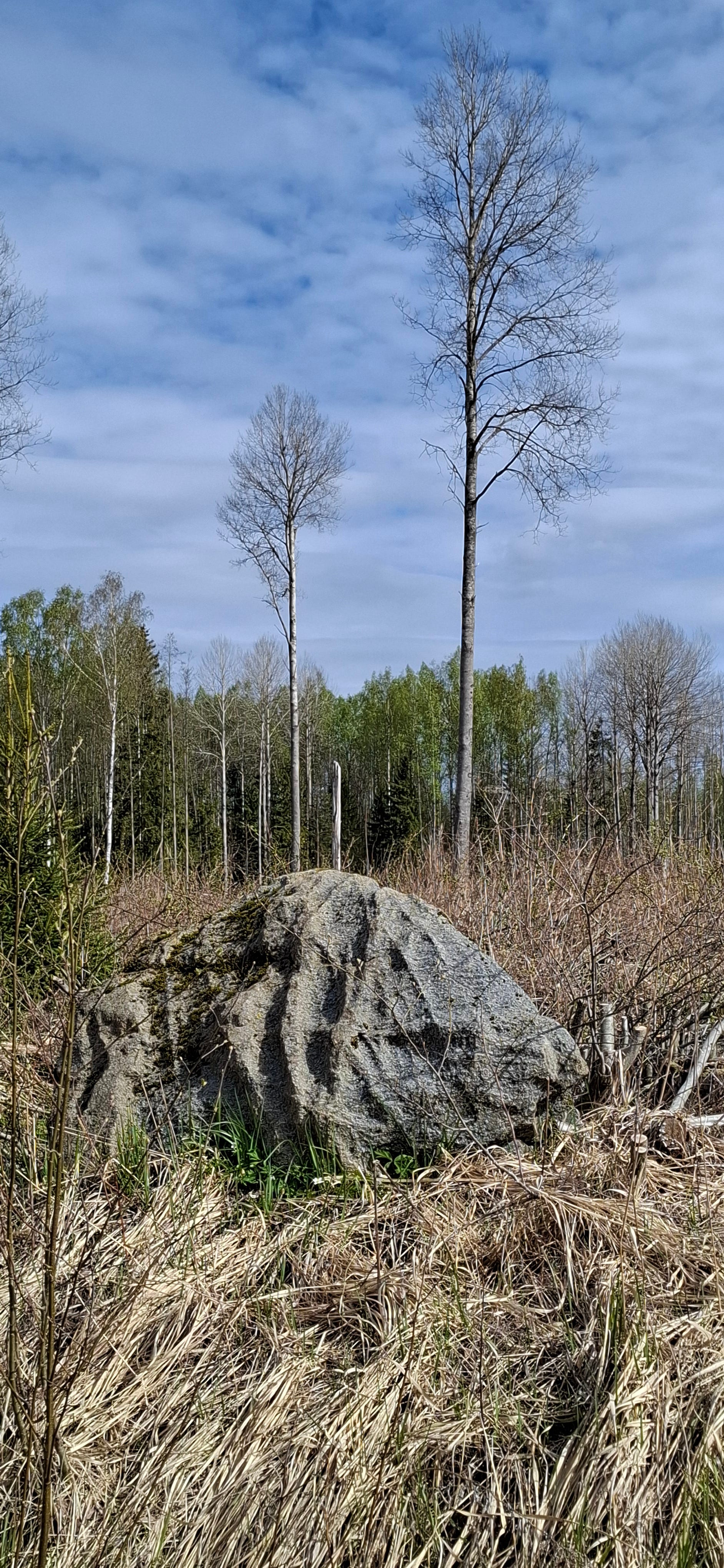
While my friends remained rightly focused on target birds and migration movements, I found myself drawn sideways by other forms of beauty. I wanted to stop for the church glimpsed through trees. I wanted to spend time among lichens and mosses. I wanted to examine the great glacial boulders strewn across fields like remnants of some ancient cosmology. I tried to learn three Estonian words each day and use them in cafés and shops. Even these small linguistic exchanges felt meaningful to me, however imperfect my pronunciation.
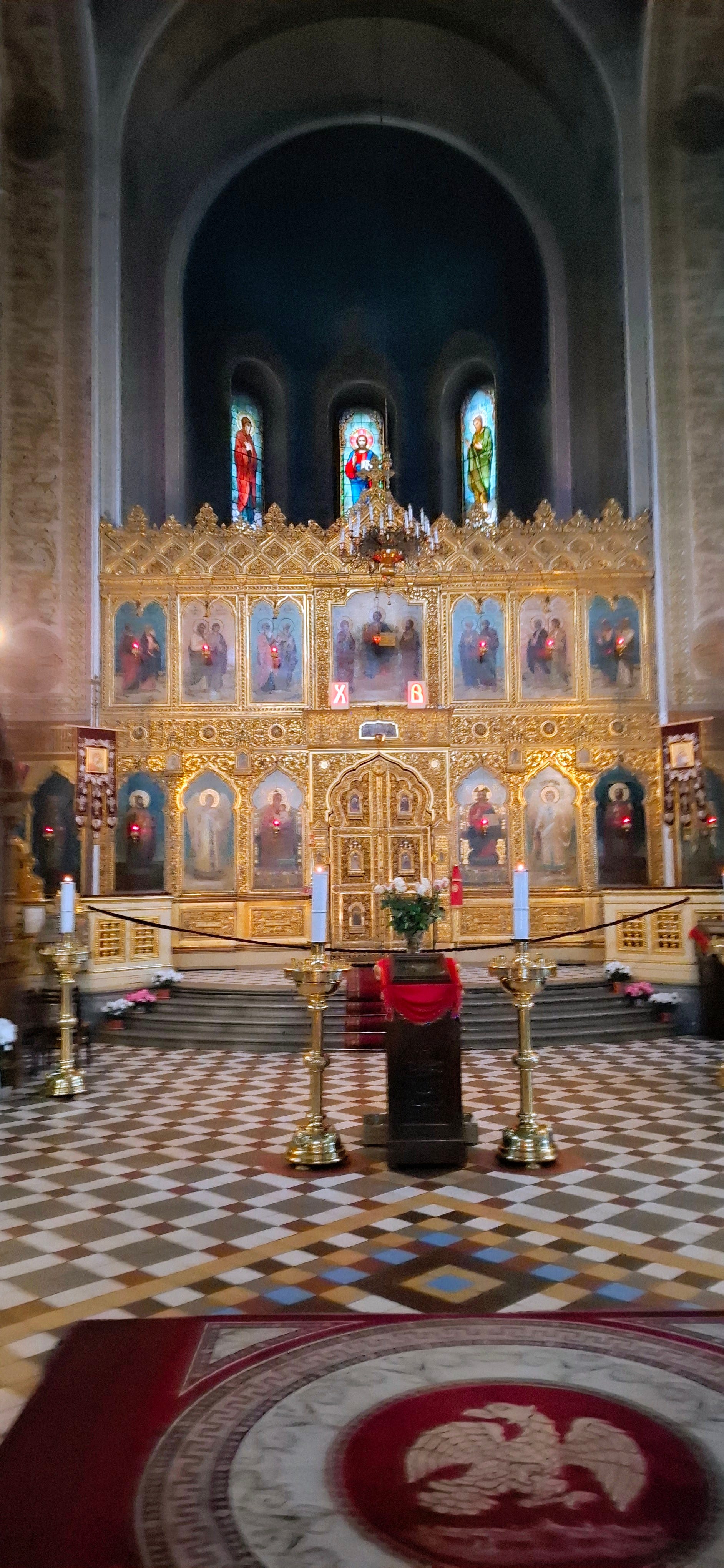
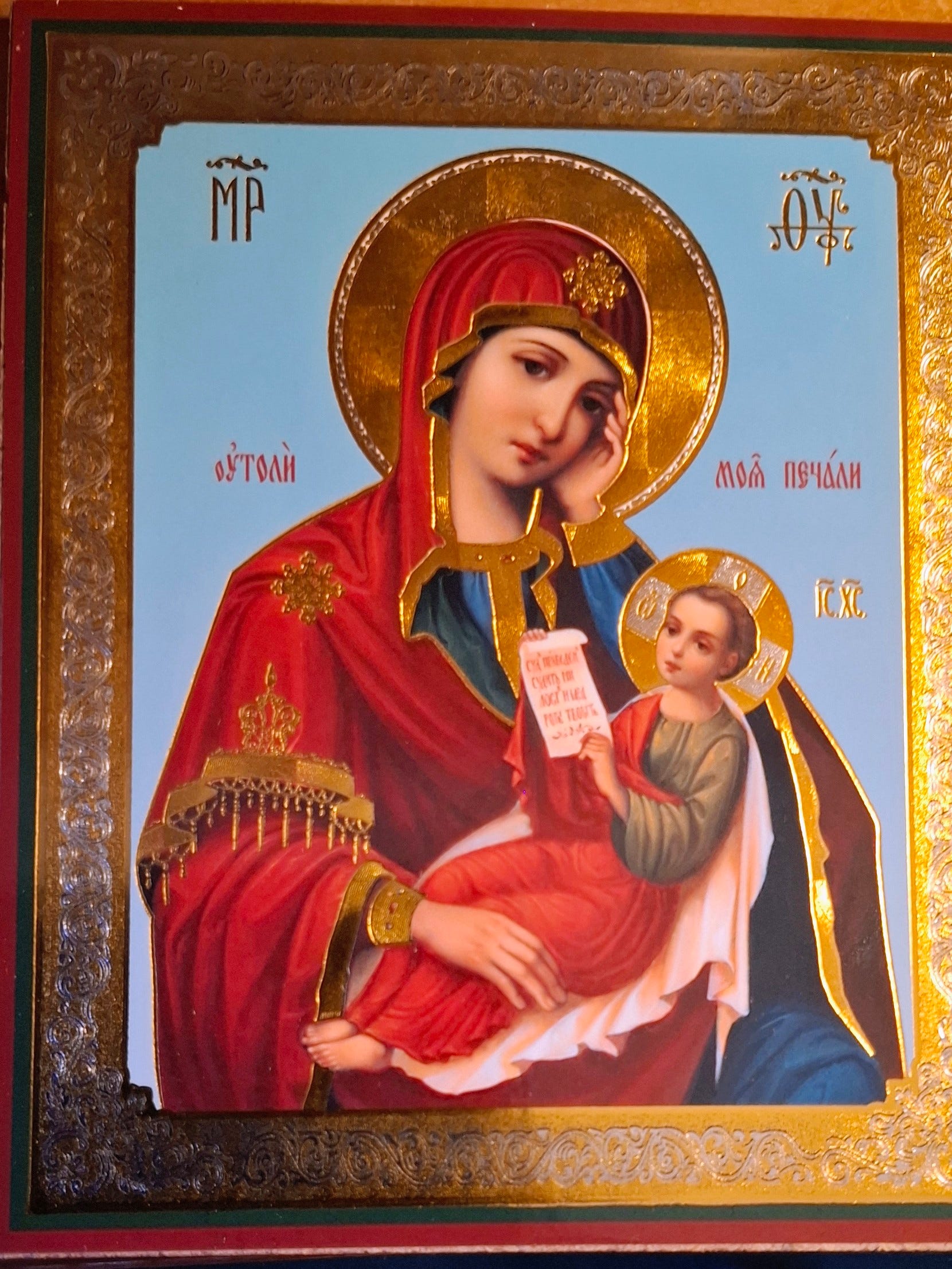
On our first day in the capital, Tallinn, we visited the Orthodox Cathedral of Saint Alexander Nevsky, luminous with gold and icons. I am not conventionally religious, yet I felt profoundly moved there. My attention kept returning to an icon of Mary holding the Christ child. There was such tenderness in the image, but also dignity and strength — something ancient and archetypal. Standing before it, I found myself thinking not only of Christianity, but of older traditions that long predated it: the feminine presence within nature religions, the ancient reverence for fertility, earth, motherhood, water and seasonal renewal that once shaped Baltic consciousness.
It struck me how often older spiritual traditions survive beneath newer forms, transformed rather than erased. In Estonia especially, Christianity does not seem entirely to have extinguished the older intimacy with forest, stone and spirit. Rather, the layers coexist. The Virgin Mary herself almost seemed, in that moment, to become a bridge between traditions: mother of Christ, yes, but also an echo of something older — the eternal feminine woven through human attempts to understand the sacredness of life.
Perhaps that is why I felt so emotionally open in Estonia. The country seemed to affirm a way of seeing the world that modern life often suppresses: that beauty matters, that landscapes possess emotional and spiritual character, that silence is nourishing, that mystery is not a problem to be solved.
I am aware that I experience nature in a deeply sensual way. Not merely visually, but through texture, temperature, taste and bodily sensation. Estonia is a profoundly tactile country. The shock of cold Baltic air on the skin, the soft carpets of Spring Flowers underfoot, the silver, shimmering bark of birch trees.
During the trip I had hoped to experience a genuine Estonian sauna and had imagined a traditional wood-fired sauna beside a dark northern lake or the Baltic itself: steam rising from heated stones, the scent of birch and smoke, the ritual sting of viht (birch brush) against the skin, then the shock of cold water or sea before returning once more into warmth and silence. There is something profoundly elemental in that northern rhythm of heat and cold, exposure and renewal.
In reality, I experienced only a modern electric sauna in a hotel on our final night. Pleasant certainly, but somehow detached from the older ritual I had quietly longed for. I realised afterwards that my disappointment was disproportionate precisely because the sauna had come to symbolise something larger in my imagination: a desire to step briefly outside modernity and return to a more ancient, embodied way of being in the world. I realise now that I no longer travel simply to “do” things. I travel to feel more fully alive.
I find myself increasingly drawn toward what might loosely be called the spiritual dimensions of experience — though again, I mean this not as doctrine but as attentiveness. Openness to mystery. A sense that certain landscapes, buildings or moments possess emotional and symbolic depth beyond their material reality.
An old church in Estonia may move me as deeply as a rare bird.
A flower-filled ditch can become as memorable as a species tick.
A fragment of folklore heard in passing may linger longer in the mind than an entire day’s sightings.
I think I have also come to accept that I am, by temperament, something of a wanderer between disciplines and interests. Birds, plants, art, music, mythology, history, poetry, archaeology, language, spirituality — I move among them all. Perhaps “dilettante” is not entirely wrong, though historically the word implied delight rather than superficiality. I do not seek mastery so much as richness of experience.
And richness increasingly seems tied to slowness.
I think what Estonia revealed to me was not simply a love of birds or forests, but a growing desire to live more receptively. To resist narrowing. To remain porous to beauty, language, memory and place.
In the end, the most important thing I brought back from Estonia was not a list of sightings, but a renewed sense of enchantment.
A feeling that the world is still alive with mystery if one learns how to look properly.
That forests are not empty.
That landscapes remember.
That silence can nourish.
And that beauty — whether found in birds, icons, candlelight, marsh flowers or the warmth of a sauna in the Baltic dusk — may itself be one of the purest forms through which the sacred still speaks to us.
That’s so beautiful John ❤️